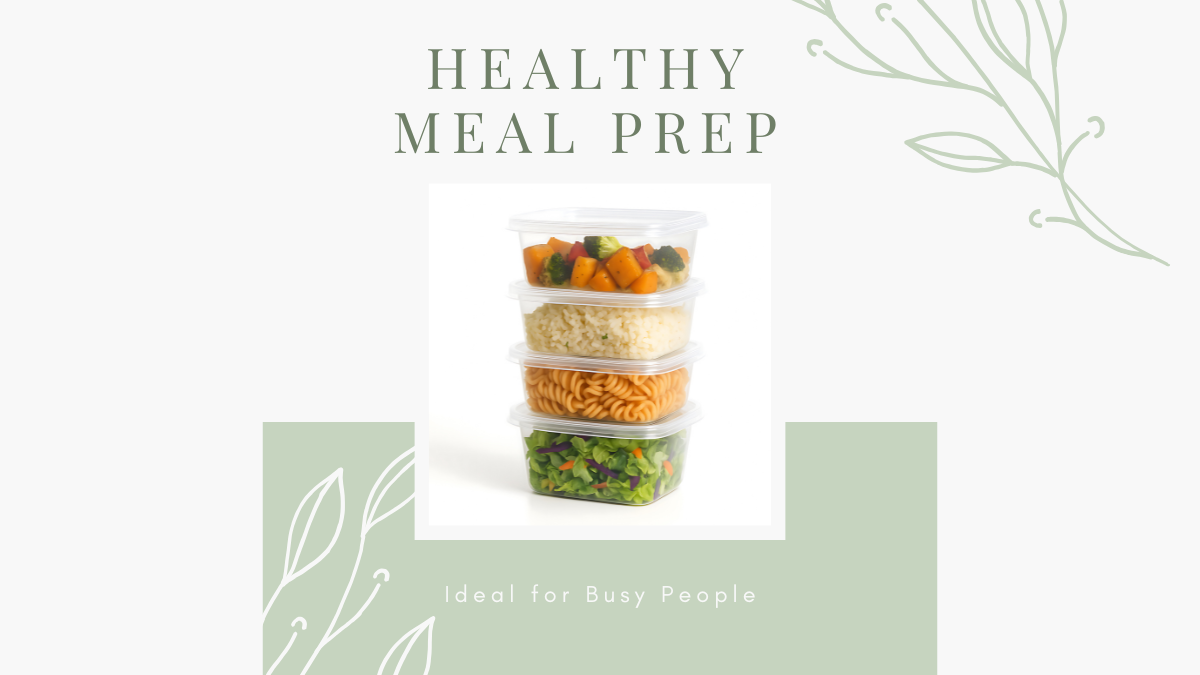
Why Mediterranean Meal Prep Is Ideal for Busy People
Mediterranean meal prep is perfect for busy schedules because it focuses on simple, flexible foods that stay fresh and taste great throughout the week. Instead of complicated recipes or strict rules, the Mediterranean approach emphasizes whole ingredients, balanced meals, and easy preparation. With a little planning, you can create nourishing meals that support energy, heart health, and overall well-being—without spending hours in the kitchen. For anyone juggling work, family, or a packed calendar, this style of meal prep is practical, sustainable, and enjoyable.
Planning Basics: Prep Once, Eat All Week
Successful Mediterranean meal prep starts with a simple plan. Begin by choosing 2–3 core meals you enjoy and can eat in different ways. Build a shopping list around those meals so you avoid impulse buys and food waste. Think in components rather than full recipes—roasted vegetables, cooked grains, and a protein can be mixed and matched all week.
Set aside one prep day, usually 1–2 hours, to wash, chop, cook, and portion ingredients. Store items in airtight containers so they stay fresh. With everything ready to go, weekday meals become quick assemblies instead of stressful cooking sessions.
Key Mediterranean Ingredients
Mediterranean meal prep relies on a short list of nutritious staples. Olive oil is the foundation, adding flavor and healthy fats to nearly every dish. Vegetables—such as tomatoes, zucchini, peppers, spinach, and onions—should make up the largest portion of your meals.
Whole grains like brown rice, farro, quinoa, and whole wheat pasta provide long-lasting energy. Lean proteins, including fish, chicken, beans, lentils, and eggs, help keep meals satisfying. Herbs, spices, garlic, and lemon add bold flavor without extra effort.
Time-Saving Tips for Busy Weeks
Batch cooking is the biggest time-saver. Roast a large tray of vegetables, cook a pot of grains, and prepare one or two proteins at once. Simple sauces like hummus, tzatziki, or olive oil with lemon can instantly change the flavor of a meal.
Reuse ingredients creatively—roasted vegetables can go into grain bowls, wraps, salads, or omelets. Keep meals flexible so you don’t get bored or overwhelmed.
Mediterranean meal prep doesn’t need to be perfect to be effective. Even small efforts—like prepping vegetables or cooking grains ahead—can make a big difference. Focus on consistency, not complexity, and your meals will support both your health and your busy lifestyle.